
Weight loss used to be discussed in simple terms. Eat less, move more, and hope the results follow. Today, patients understand that the body is far more complex than that. Hormones, metabolism, appetite regulation, recovery, stress, sleep quality, and body composition all influence how successfully someone reaches and maintains a healthy weight.
That shift in understanding has opened the door to a new generation of wellness solutions. Among the most talked-about options are GLP-1 medications and peptide therapy. While these treatments are often mentioned in the same conversations, they serve different purposes and can support the body in unique ways.
Rather than viewing them as competing approaches, many wellness providers are beginning to recognize how peptides and GLP-1 medications may complement one another within a comprehensive health strategy. Keep reading to discover how these innovative therapies are helping redefine modern wellness and weight loss treatments.
What Are Peptides for Weight Loss?
As interest in metabolic health continues to grow, peptides have become one of the most exciting developments in wellness medicine.
Peptides are short chains of amino acids that act as messengers throughout the body. They help regulate communication between cells and influence a variety of biological processes. Depending on the specific peptide, these signals may affect metabolism, recovery, muscle maintenance, energy production, hormone activity, and body composition.
When discussing weight management, peptide therapy is often used as part of a broader wellness approach rather than a standalone solution.
Peptides may support:
- Metabolic support
- Healthy body composition
- Recovery from exercise
- Energy production
- Muscle preservation
- Hormonal balance
- Wellness optimization
Unlike traditional weight loss programs that focus solely on calorie restriction, peptide therapy often aims to support the biological systems that influence overall health and long-term success.
This is one reason peptides have become increasingly popular among patients who want to improve how they feel while also working toward weight-related goals.
Understanding GLP-1 Medications
Before comparing peptides and GLP-1 medications, it is important to understand what GLP-1 therapies actually do.
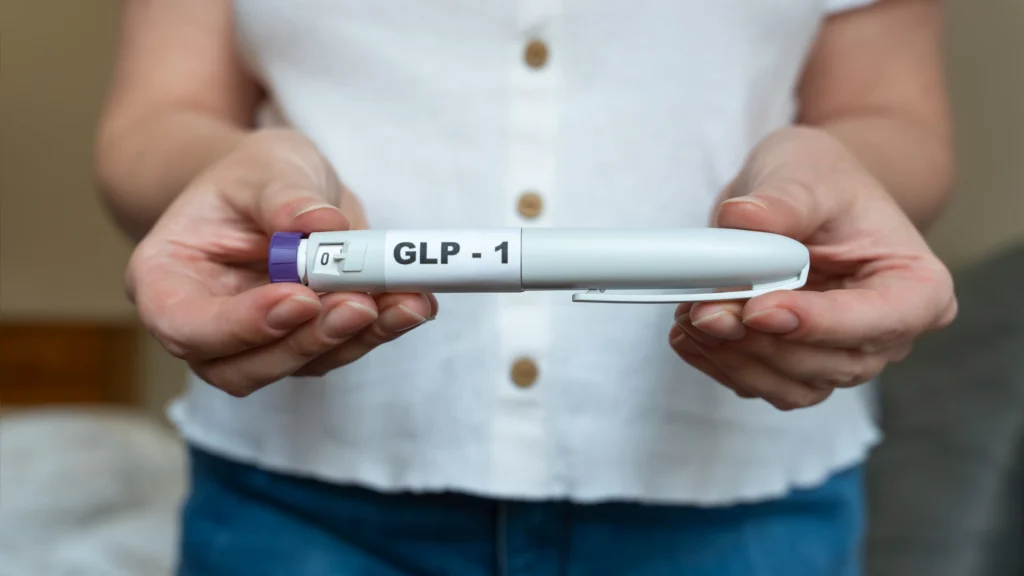
GLP-1 stands for glucagon-like peptide-1, a naturally occurring hormone involved in appetite regulation and blood sugar management. Medications such as semaglutide and tirzepatide are designed to mimic or influence these pathways.
These medications work by helping patients feel fuller for longer periods of time, slowing gastric emptying, and supporting improved appetite control. As a result, many patients find it easier to reduce calorie intake without feeling constantly hungry.
The popularity of semaglutide and tirzepatide has transformed the conversation around medical weight loss. For individuals who have struggled with traditional dieting approaches, these therapies can provide meaningful support.
However, appetite control represents only one piece of the wellness puzzle. This is where the broader role of peptide therapy often enters the conversation.
Different Tools, Different Jobs
One of the biggest misconceptions surrounding peptides and GLP-1 medications is the idea that they serve the same purpose.
While both belong to the broader category of peptide-based science, their goals can be very different.
GLP-1 medications primarily focus on appetite regulation and metabolic pathways associated with weight management. They help patients consume fewer calories and create conditions that support weight reduction.
Peptide therapy often addresses a wider range of wellness objectives. Depending on the treatment selected, peptides may support recovery, muscle preservation, energy, performance, longevity, and overall wellness optimization.
Rather than asking which option is better, patients often benefit from understanding how each treatment fits into a larger health strategy. This shift from comparison to collaboration reflects the evolution of modern wellness medicine.
Appetite Control Is Only Part of the Story
Weight loss is frequently measured by pounds lost, but successful long-term outcomes involve much more than weight alone.
Patients often want to preserve strength, maintain energy levels, support recovery, and feel healthier overall. Losing weight without addressing these additional factors can sometimes create frustration during the process.
GLP-1 medications excel at helping regulate appetite and food intake. They provide valuable support for individuals who struggle with persistent hunger or difficulty maintaining a calorie deficit.
At the same time, patients pursuing weight loss often become interested in other aspects of wellness. They may want to maintain lean muscle mass, recover more efficiently from exercise, or improve overall vitality.
This is where peptide therapy frequently enters the conversation. Certain peptides are being explored for their potential role in supporting body composition and recovery while patients pursue their weight loss goals.
The combination creates a more comprehensive perspective on health rather than focusing solely on the scale.
Supporting Metabolic Health
Metabolic health has become one of the most important topics in wellness medicine. A healthy metabolism influences energy production, blood sugar regulation, body composition, hormone balance, and overall function. When metabolic systems are working efficiently, patients often experience benefits that extend far beyond weight management.
GLP-1 medications have demonstrated significant value in supporting metabolic pathways related to appetite and blood sugar control. Peptide therapy often takes a broader approach by supporting various physiological systems that contribute to overall metabolic performance. This may include pathways related to recovery, cellular communication, and energy utilization.
By supporting multiple aspects of metabolic function, patients can often pursue a more sustainable and balanced approach to wellness. This growing focus on metabolic support is helping redefine what successful weight loss treatments look like today.
Recovery Matters More Than Most People Realize
Weight loss journeys often place significant demands on the body. Patients may increase exercise frequency, adjust nutrition habits, and make substantial lifestyle changes. While these efforts can produce positive results, they also increase the importance of recovery.
Recovery influences how well the body adapts to physical activity, manages stress, and maintains consistency over time. When recovery is neglected, patients may experience fatigue, decreased motivation, or difficulty maintaining progress.
This is one reason recovery-focused peptide therapy has generated significant interest. Certain peptides are being studied for their potential ability to support natural repair processes and help patients maintain active lifestyles.
While GLP-1 medications address appetite regulation, recovery peptides may contribute to the broader wellness foundation that supports long-term success.
Preserving Lean Muscle During Weight Loss
One challenge many patients face during weight reduction is maintaining lean muscle mass. When weight loss occurs too quickly or without proper support, the body may lose both fat and muscle tissue. Muscle plays an important role in metabolic health, physical performance, and overall body composition.
Patients increasingly recognize that successful outcomes involve more than simply becoming lighter. They want to look and feel healthier while maintaining strength and function. This is where peptide therapy frequently becomes part of the discussion.
Certain peptide-based strategies focus on supporting the body’s natural ability to preserve lean tissue while patients work toward their goals. Combined with proper nutrition and resistance training, this approach can contribute to a healthier and more sustainable transformation. The result is a greater emphasis on body composition rather than weight alone.

A Smarter Path Forward
The conversation around peptide therapy and GLP-1 medications continues to evolve because patients want more than temporary results. They want sustainable progress, improved metabolic support, and a wellness strategy that works with their body’s natural biology.
At Lux Medical Aesthetics in Somerset, PA, personalized treatment plans are designed around each patient’s goals, helping them explore innovative solutions that support both weight management and overall wellness optimization.
The future of health is personal, and understanding how these therapies work together is an important step toward lasting success. Connect with us today to book your consultation!