
Weight loss can be life-changing, especially when it is supported by the right medical guidance. For many patients, GLP-1 medications have made progress feel possible after years of frustration with appetite, cravings, and weight regain. Still, some patients notice unexpected changes during the journey, including increased shedding or hair thinning.
The important question is this: is it truly the medication, or is the body responding to rapid weight loss and nutritional changes? The answer is often more layered than people realize. GLP-1 treatment can be a powerful tool, but nutrition, protein intake, and overall wellness still matter deeply.
Keep reading to learn how GLP-1s, nutrition, and hair health are connected and why a thoughtful plan can make the weight-loss journey healthier from the inside out.
What Is Weight Loss Management?
A strong foundation helps patients understand why successful weight loss is never just about a prescription. Weight loss management is a personalized, medically guided approach designed to help patients achieve and maintain a healthier weight through sustainable strategies.
Rather than relying on quick fixes, it considers the full picture: health history, lifestyle, nutrition, physical activity, metabolism, medications, and long-term goals. Within a medical weight loss program, GLP-1 medications may be recommended for appropriate patients.
These medications can help regulate appetite, improve satiety, and support more consistent weight loss when paired with healthy habits. A comprehensive plan may include medical oversight, nutrition guidance, lifestyle coaching, progress monitoring, and maintenance support. This matters because meaningful weight loss affects the whole body, not just the scale.
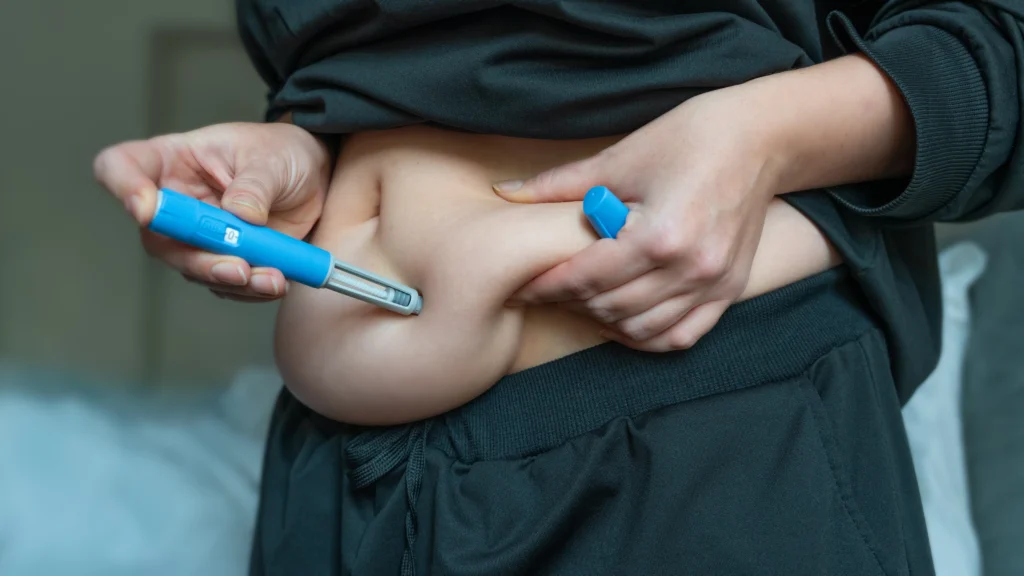
The GLP-1, Nutrition, and Hair Loss Connection
This is where many patients need clarity, not fear. Hair shedding during weight loss is not always a direct medication problem. In many cases, it is connected to how quickly the body changes, how much food intake decreases, and whether the body is receiving enough nutrients to support normal hair growth.
1. GLP-1s Can Reduce Appetite Significantly
GLP-1 medications can help patients feel full sooner and stay satisfied longer. That is one reason they can be so effective for weight loss. However, when appetite drops sharply, some patients unintentionally eat too little.
This can become an issue when meals shrink so much that the body does not receive enough protein, vitamins, minerals, and calories to support all of its normal functions. Hair is not considered essential for survival, so when the body feels undernourished or stressed, it may shift hair follicles into a resting phase.
This is one reason hair shedding may appear a few months after beginning treatment or after rapid weight loss.
2. Rapid Weight Loss Can Shock the Hair Cycle
Hair grows in cycles. When the body experiences a major change, such as rapid weight loss, illness, surgery, high stress, or reduced calorie intake, more hairs may enter the shedding phase at once. This condition is often temporary, but it can feel alarming.
Patients may notice more hair in the shower, on clothing, or in their brush. The timing can make it seem like the medication is the only cause, but the real trigger may be the speed of weight loss combined with nutritional shifts.
A steady, well-supported plan helps reduce unnecessary stress on the body while still supporting progress.
3. Protein Intake Is Essential
Hair is largely made of keratin, a protein. When protein intake drops too low, the body may not have enough building blocks to support healthy hair growth. This can happen easily on GLP-1s because patients may feel full after only a few bites. If those bites are mostly low-protein foods, the body can fall short over time.
Prioritizing protein at each meal is one of the most important strategies during GLP-1 treatment. Lean meats, eggs, Greek yogurt, fish, tofu, beans, and protein-rich snacks can help patients support muscle maintenance, metabolism, and hair health during weight loss.
4. Nutrient Deficiencies Can Play a Role
Hair health depends on more than protein alone. Nutrient deficiencies may also contribute to shedding, especially if food intake has become limited or repetitive.
Low levels of iron, vitamin D, zinc, B vitamins, and other nutrients may affect hair growth and overall wellness. This does not mean every patient needs supplements immediately, but it does mean nutrition should be monitored thoughtfully.
A medically guided program can help identify whether additional evaluation or lab work may be appropriate. Guessing with random supplements is rarely the most elegant or effective approach.
5. Digestive Side Effects Can Affect Nutrition
Some patients experience nausea, constipation, reflux, or food aversions during GLP-1 treatment. These are commonly discussed semaglutide side effects, though not every patient experiences them.
When digestive symptoms make eating difficult, patients may skip meals or rely on very small portions. Over time, this can reduce nutrient intake and increase the likelihood of fatigue, weakness, or shedding.
This is why open communication with a provider matters. Dosage adjustments, meal timing, hydration strategies, and nutrition planning can often make treatment feel more manageable.
6. Hydration Still Matters
Hydration is often overlooked during weight loss. When patients eat less, they may also consume less fluid through food. If nausea or fullness makes drinking uncomfortable, dehydration can become more likely.
While hydration alone does not prevent hair shedding, it supports circulation, digestion, skin health, and overall wellness. A nourished scalp and body depend on adequate fluid intake, especially during active weight loss.
Small, consistent sips throughout the day often work better than trying to drink large amounts at once.
7. Hair Loss May Be Temporary
The encouraging news is that weight-loss-related shedding is often temporary. Once the body adapts and nutrition improves, hair growth may gradually normalize.
However, patients should not ignore persistent or severe shedding. Hair thinning can have multiple causes, including thyroid issues, hormonal changes, genetics, stress, low iron, autoimmune conditions, and scalp concerns.
A thoughtful evaluation helps separate normal temporary shedding from issues that may need additional support.
8. Medical Oversight Makes the Difference
GLP-1 treatment works best when it is part of a complete plan. Medication can help reduce appetite, but patients still need guidance on what to eat, how to preserve muscle, how to manage side effects, and how to transition into long-term maintenance.
Without support, patients may lose weight but feel depleted. With support, they can pursue results while protecting energy, strength, and overall wellness. That is the true value of medical weight loss: it treats the journey as a full-body process.
How to Support Hair Health During GLP-1 Treatment
A few thoughtful habits can help patients feel better while supporting healthier hair growth. Protein should come first at meals whenever possible. Patients may also benefit from smaller, nutrient-dense meals if appetite is low. Hydration, strength training, sleep, and consistent follow-up all play important roles in protecting overall wellness during weight loss.
Patients should also speak with their provider if they notice ongoing hair thinning, significant fatigue, dizziness, or difficulty eating enough. These symptoms may signal that the plan needs adjustment.
GLP-1s can be incredibly helpful, but the goal is not simply to lose weight. The goal is to lose weight in a way that supports the person as a whole.
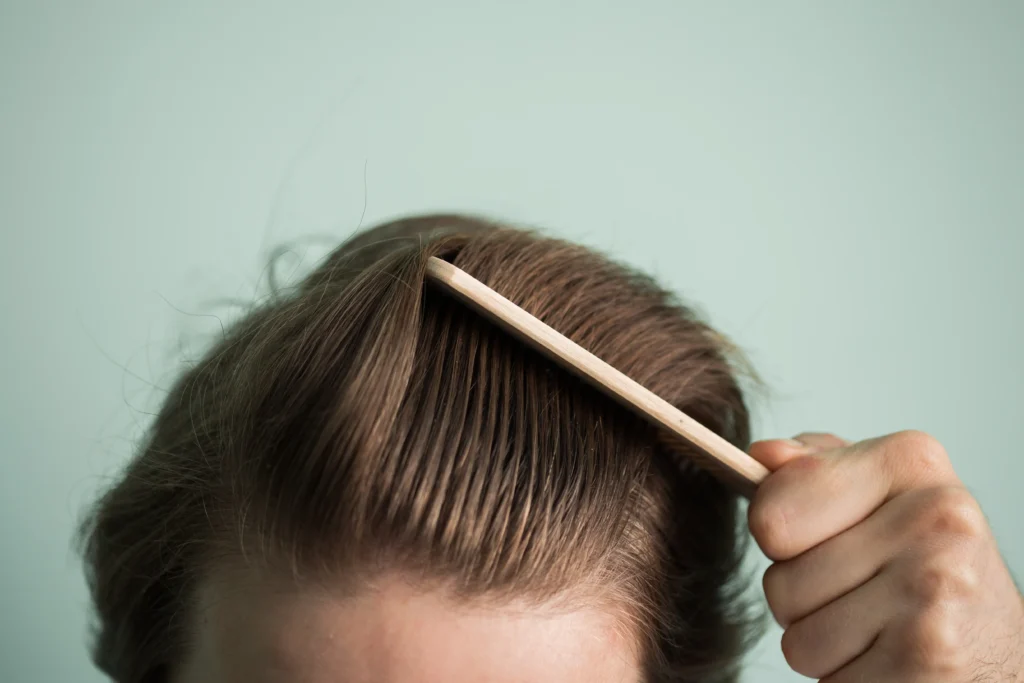
A More Nourished Approach to Weight Loss
Hair shedding during GLP-1 treatment can feel unsettling, but it is not always a sign that something is wrong with the medication. Often, it reflects the body’s response to rapid change, reduced intake, or nutritional gaps. With the right guidance, patients can better understand the connection between GLP-1s, nutrition, and hair health while continuing to pursue meaningful progress.
At Lux Medical Aesthetics in Somerset, PA, patients receive personalized support designed to make GLP-1 treatment part of a complete wellness plan. Through thoughtful medical guidance, nutrition-focused care, and ongoing monitoring, the practice helps patients approach weight loss with confidence, balance, and long-term health in mind.
Connect with us today to schedule your consultation!